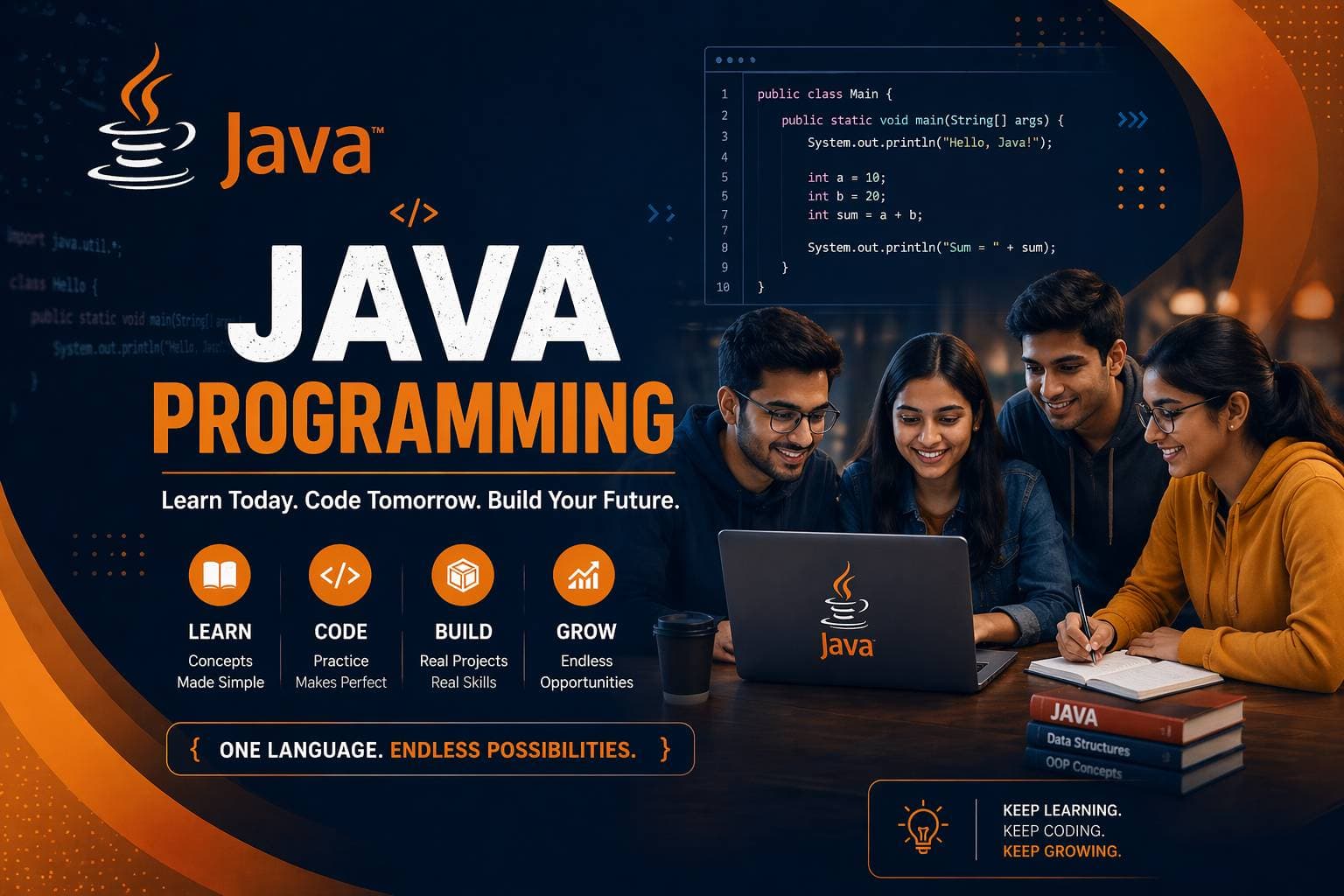
How to Make a Career in Java Full Stack

In the ever-evolving landscape of technology, Java Full Stack development has emerged as a dynamic and sought-after career path. As businesses increasingly rely on powerful and seamless web applications, the demand for skilled Java Full Stack developers has skyrocketed. If you're passionate about technology and intrigued by the idea of creating robust web solutions, here's your comprehensive guide on how to make a successful career in Java Full Stack.
Understanding Java Full Stack Development
Before embarking on your journey, it's crucial to understand what Java Full Stack development entails. Java Full Stack developers are versatile professionals who possess expertise in both the front-end and back-end aspects of web development. They seamlessly navigate the client and server sides of applications, ensuring the creation of efficient and scalable solutions.
Why Choose Java Full Stack?
The demand for Java Full Stack professionals continues to rise, making it a lucrative career choice. As businesses embrace digital transformation, they seek developers who can contribute across the entire development spectrum. Java Full Stack developers bridge the gap between creating user-friendly interfaces (front-end) and building robust server-side applications (back-end).
Building a Strong Foundation
Mastering Core Java
Start by establishing a solid foundation in core Java. Understand the fundamentals, delve into object-oriented programming, and grasp essential data structures. A strong grasp of core Java concepts will serve as the bedrock for your Java Full Stack journey.
Familiarity with Front-end Technologies
To excel in Java Full Stack, proficiency in front-end technologies is a must. Learn HTML, CSS, and JavaScript to craft engaging and responsive user interfaces.
Gaining Expertise in Front-end Technologies
HTML, CSS, and JavaScript Essentials
Master the essentials of HTML for structuring content, CSS for styling, and JavaScript for dynamic functionality. These skills form the foundation of creating visually appealing and interactive user interfaces.
Frameworks and Libraries for Front-end Development
Explore front-end frameworks like React, Angular, or Vue.js. These frameworks streamline the development process, providing a structured approach to building user interfaces.
Becoming a Back-end Pro
Java Frameworks for Back-end Development
Specialize in back-end frameworks like Spring Boot. These frameworks simplify the development of robust and scalable server-side applications.
Database Management Skills
Develop proficiency in working with databases, including both SQL and NoSQL solutions. Understand data modeling, database design, and efficient data retrieval.
Server-side Scripting Knowledge
Gain in-depth knowledge of server-side scripting languages to ensure secure communication between the client and server.
Integrating Front-end and Back-end
Understanding the Importance of Integration
Recognize the significance of seamless integration between front-end and back-end components. Strive to create applications where both layers communicate effectively.
Developing Seamless Communication between Layers
Utilize technologies like RESTful APIs to facilitate smooth communication between the client and server. Ensure data exchange and interaction without compromising performance.
Building Real-world Projects
Importance of Practical Experience
Engage in real-world projects to apply your knowledge in practical scenarios. This hands-on experience is invaluable for troubleshooting issues and gaining a deeper understanding of the development process.
Showcasing Projects in a Portfolio
Build a portfolio showcasing completed projects. This not only serves as tangible evidence of your skills but also sets you apart in the competitive job market.
Staying Updated with Trends
Evolving Technologies in Java Full Stack
Keep a keen eye on emerging technologies and updates to frameworks. Staying updated ensures you remain competitive and relevant in the dynamic tech landscape.
Continuous Learning and Upskilling
Commit to lifelong learning. Attend workshops, explore new tools, and continuously upskill to stay ahead in your Java Full Stack career.
Networking and Community Involvement
Joining Java Full Stack Communities
Actively participate in Java Full Stack communities. Online forums, meetups, and social media groups provide valuable insights, mentorship, and potential job opportunities.
Networking for Career Opportunities
Build a professional network by attending industry events and connecting with professionals on platforms like LinkedIn. Networking opens doors to exciting career opportunities.
Crafting an Impressive Resume
Highlighting Skills and Projects
Tailor your resume to highlight your skills, experiences, and completed projects. An impressive resume is your first step towards securing opportunities in Java Full Stack.
Navigating Job Interviews
Common Java Full Stack Interview Questions
Prepare for common interview questions related to Java Full Stack. Be ready to showcase your knowledge and problem-solving skills during technical assessments.
Preparing for Technical Assessments
Practice technical assessments and coding challenges to excel in the technical evaluation process. Confidence in your technical abilities is key to a successful interview.
Conclusion
Recap of Key Points
In conclusion, making a career in Java Full Stack requires a strong foundation, continuous learning, practical experience, and active networking.
Encouragement for Aspiring Java Full Stack Developers
Embrace the challenges, stay curious, and remain committed to your journey in Java Full Stack development. The opportunities are vast, and your skills are in high demand.
Get Started with The Best Training Institute In Noida, Ghaziabad
Ready to create your Future space with the best Training Institute in Noida, Ghaziabad? Contact Softcrayons Tech Solution Pvt Ltd today to schedule a consultation and take the first step towards realizing your vision. We look forward to working with you and creating a space that exceeds your expectations.